
Post-passivation validation is critical. Without proper testing, there's no guarantee that the passive film has formed successfully or that free iron has been removed.

11
AugCorrosion Testing Methods for Stainless Steel: What You Need to Know
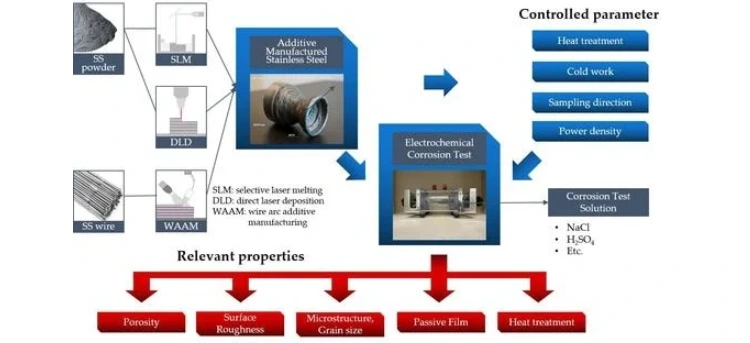
The Copper Sulphate Test is a widely accepted method under ASTM A967. When copper deposits form, it indicates the presence of free iron—meaning the Cleaning, derouging and passivation process must be repeated.
X-ray Photoelectron Spectroscopy (XPS) provides surface chemistry analysis to evaluate the chromium-to-iron ratio. It’s vital for industries requiring De-Rouging Solutions in Semiconductor, where surface purity is critical.
Auger Electron Spectroscopy (AES) goes deeper, mapping out oxide layer thickness and composition. This test is ideal when conducting failure analysis after Derouging stainless steel or assessing the effectiveness of Descaling Service.
Routine testing should be part of any Cleaning and Passivation in Pharma protocol, ensuring every component meets ASTM standards and is free from corrosion risk.