Polishing, Passivation and Derouging for Chemical Processing Equipment in India

Chemical plants run stainless steel hard. Acids, solvents, and chlorides pit the surface, and rouge follows. We do mechanical polishing and electropolishing at your site, plus inspection, cleaning, derouging, descaling, and citric acid passivation to ASTM A380 and ASTM A967. On-site across India, or at our own premises.

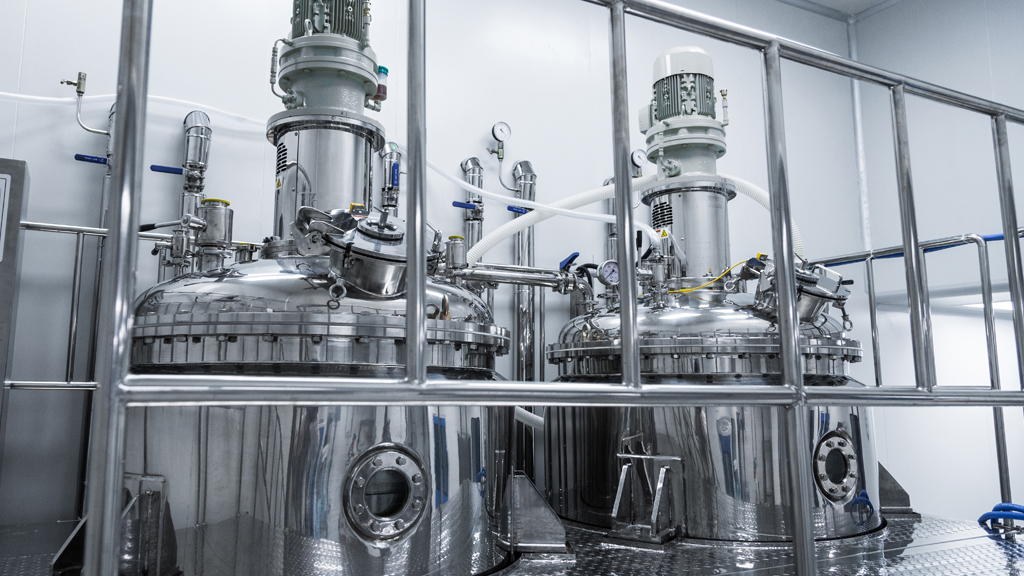
Chemical processing vessel requiring industrial cleaning

Why does chemical processing equipment corrode and foul?

Stainless steel resists corrosion because of a thin chromium-rich passive layer on its surface. Aggressive process chemistry works against that layer. Acids, solvents, and chlorides break it down locally, which starts pitting. Once the surface is pitted and rough, it holds residue, corrosion products build up, and rouge appears. Polishing repairs the surface, and passivation rebuilds the protective layer, so the steel goes back to resisting attack.

The Mechanism

What aggressive chemistry does to stainless steel

This is well-established corrosion behavior, and it is worth being plain about it.

Chlorides attack the passive layer at weak points and start pitting. Pits are small, deep, and hard to clean out.

Acids and solvents strip the passive layer over larger areas, leaving the steel less able to protect itself.

Free iron left from fabrication, tooling, or contact with carbon steel corrodes first and seeds rust on an otherwise sound surface.

Rough surfaces hold residue. Residue holds chemistry against the steel. That keeps the attack going.

Rouge is the corrosion product that follows, and it moves. It travels with the process and settles elsewhere in the system.

Each of these has a matching fix: polish the surface back, clean out the residue and free iron, derouge the system, then passivate.

Done at your site
What Chemical Plants Ask for Most

Mechanical polishing and electropolishing, done at your site

Chemical plants ask for these two more than anything else, and they want them done without shipping equipment out. We do both, on-site. Mechanical polishing can also be done at our own premises if you prefer to send the item to us.

1Mechanical polishing

Mechanical polishing repairs and refinishes the surface. It works the steel back with abrasives, taking out weld marks, scratches, tool marks, heat tint, and the roughness left by wear or by earlier corrosion.

When a chemical plant wants it
  • After welding, repair, or modification work on a vessel or line
  • On a surface that is scored, scratched, or pitted enough to trap residue
  • Where heat tint from fabrication needs to come off before passivation
  • As the step before electropolishing, to get the surface ready

Where it is done: on-site at your plant, or at our premises.

2Electropolishing

Electropolishing is an electrochemical process. It removes a thin, controlled layer of metal, taking off the high points first. The result is a smooth, low-roughness, cleanable finish.

When a chemical plant wants it
  • Where residue must not cling to the surface between campaigns
  • On product-contact surfaces that need a smooth, cleanable finish
  • Where cross-contamination between batches is a real concern
  • Where a low-roughness finish is specified for the equipment

Where it is done: at your site.

Most jobs use both. Mechanical polishing repairs the surface, electropolishing smooths and cleans it, and passivation rebuilds the protective layer on top.

The Full List

What we do for chemical processing plants

We handle the whole surface treatment cycle, on-site, with controlled temperature, flow, and pressure so the work is consistent across vessels, piping, and transfer systems.

Mechanical Polishing

On-site or at our premises, to repair and refinish the surface.

Electropolishing

On-site, for a smooth, cleanable, low-roughness finish.

Inspection & Monitoring

Imported, calibrated instruments find what is actually wrong before anything is applied.

Cleaning

Remove residue, process buildup, and free iron.

Derouging

Remove rouge and corrosion products from process surfaces.

Descaling

Remove scale, including after installation and on long-running systems.

Passivation

Rebuild the chromium-rich protective layer with citric acid based CitriSurf technology.

Every job ends with an inspection report and the documentation your auditor asks for. We also hand over the right procedure to maintain the surface.

On-Site Service

We come to your plant

Chemical plants do not like sending equipment out. Neither shutdown time nor transport is cheap. So the work happens where the equipment is.

On-call at your site

Anywhere in India, through our West, South, and North teams.

At our own premises

If you would rather send the item to us for mechanical polishing.

Around your shutdown

Because the window is when it is, not when it suits us.

Inspection, cleaning, derouging, descaling, mechanical polishing, electropolishing, and passivation can all be carried out at your plant.

The Chemistry We Use

Citric acid based, and it handles more than stainless steel

We passivate with citric acid based CitriSurf chemistry rather than nitric acid. In a plant already handling hazardous chemicals, cutting out nitric acid fumes and the waste burden that comes with them is one less risk to manage.

CitriSurf 77 Plus, the product we use for on-site passivation and large items

FieldDetail
BaseCitric acid based
OriginUnited States
pHApproximately 1.6
DilutionNone. Direct application liquid
ApplicationSpray, immersion, or wiped
Pack sizes20 liter and 200 liter pail
MaterialsAll stainless steel grades, plus Hastelloy alloys, aluminum, and other corrosion resistant materials
Standards metASTM A967, ASTM A380, ASTM B600, AMS 2700

The materials line matters in a chemical plant. Being able to treat stainless steel, Hastelloy, and aluminum with the same chemistry keeps the job simple.

Compliance and Documentation

How we help you achieve, monitor, and maintain standards

Our work follows recognized global standards for stainless steel cleaning and passivation, and it is documented so you can prove it. We look at compliance in three parts.

Step 1

Achieve it

Inspect the surface, do the work to the applicable standard, and confirm the result before we leave.

Step 2

Monitor it

Frequency-based inspection and monitoring, so surface condition is checked on a schedule.

Step 3

Maintain it

The right procedure, documented and handed to your team, so the surface holds between visits.

Standards our work follows

StandardWhat it covers
ASTM A967Chemical passivation treatments for stainless steel parts
ASTM A380Cleaning, descaling, and passivation of stainless steel parts, equipment, and systems
AMS 2700Passivation of corrosion resistant steels
ASTM B600Met by CitriSurf 77 Plus, the chemistry we use

Requirements our chemistry helps you comply with

NSFUSDAUSFDAEUcGMP

Every job closes with an inspection report and the records behind it, which is what an auditor asks for.

In Short

Rouging Solutions provides mechanical polishing, electropolishing, inspection and monitoring, cleaning, derouging, descaling, and citric acid passivation for chemical processing equipment across India, covering vessels, piping, and transfer systems. Chemical plants prefer mechanical polishing and electropolishing carried out at site, and Rouging Solutions performs both on-site, with mechanical polishing also available at its own premises in Ahmedabad. Acids, solvents, and chlorides break down the chromium-rich passive layer on stainless steel, which causes pitting and rouge, so polishing repairs and refinishes the surface while citric acid passivation rebuilds the protective layer. The company uses citric acid based CitriSurf 77 Plus, which works on all stainless steel grades plus Hastelloy alloys and aluminum, and meets ASTM A967, ASTM A380, ASTM B600, and AMS 2700, helping customers comply with NSF, USDA, USFDA, EU, and cGMP requirements. Every job closes with an inspection report.

Contact Us and Learn More

We are here to help! Request advice on your specific application or a quote on our products by filling in the form below.

Chemical Industry Passivation FAQs

Do you do mechanical polishing and electropolishing at our site?

What is the difference between mechanical polishing and electropolishing?

Mechanical polishing uses abrasives to repair and refinish the surface, taking out weld marks, scratches, tool marks, and heat tint. Electropolishing is electrochemical: it removes a thin, controlled layer of metal to leave a smooth, low-roughness, cleanable finish and takes embedded free iron with it. Many jobs use both, then passivation.

Why does chemical processing equipment corrode and foul so easily?

Acids, solvents, and chlorides break down the chromium-rich passive layer that protects stainless steel. That starts pitting. A pitted, rough surface then traps residue, corrosion products build up, and rouge follows.

Do you treat Hastelloy and aluminum, or only stainless steel?

The CitriSurf 77 Plus chemistry we use works on all stainless steel grades, plus Hastelloy alloys, aluminum, and other corrosion resistant materials. That covers most of the metal in a chemical plant.

Which standards do you follow for chemical equipment?

ASTM A380 for cleaning, descaling, and passivation, ASTM A967 for chemical passivation of stainless steel, and AMS 2700 for passivation of corrosion resistant steels. Our CitriSurf 77 Plus chemistry also meets ASTM B600 and helps you comply with NSF, USDA, USFDA, EU, and cGMP requirements.

Do you use citric acid instead of nitric acid?

Yes. CitriSurf 77 Plus is citric acid based, applied direct with no dilution, at a pH of about 1.6. In a plant already handling hazardous chemicals, dropping nitric acid fumes and waste is one less risk to manage.

Can polishing and cleaning reduce cross-contamination between batches?

Yes. A smooth, low-roughness surface gives residue less to cling to, and cleaning removes what is already there. Passivation then restores the protective layer so the surface stays cleaner from one campaign to the next.

Do you help us keep the surface compliant, or is it a one-time job?

Both are available. We do the work to standard, then offer frequency-based monitoring and hand over a documented maintenance procedure, so your team can hold the surface between visits.