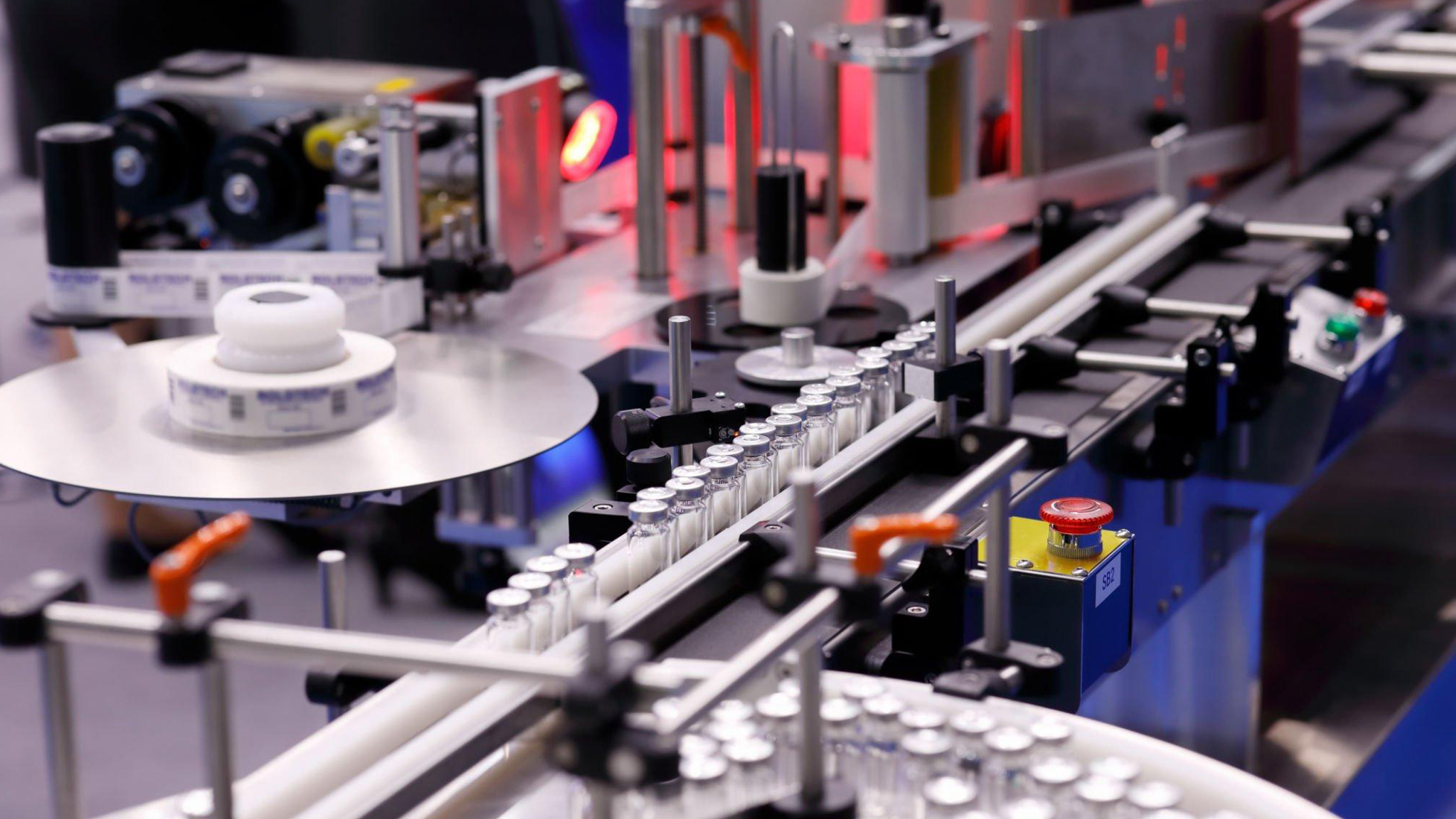
Cleaning, Polishing and Passivation for Medical Devices in India

Medical devices touch the human body, so every surface has to stay clean, residue-free, and corrosion-resistant. We inspect, clean, derouge, descale, polish, electropolish, and passivate the metals and polymers used in medical devices: titanium alloys, stainless steel, cobalt-chromium, and polymer components. Our materials are biocompatible and suitable for medical implants and surgery-related material, and our work supports ISO 13485, US FDA, EU MDR, and India CDSCO requirements.

Medical devices and surgical instruments requiring passivation

Why do medical devices need cleaning and passivation?

Medical devices and instruments come into direct contact with the human body, so they need close attention to cleanliness, corrosion control, and surface condition. The metals used must stay residue-free and able to handle repeated cleaning and sterilization cycles without staining or corroding. Cleaning removes contamination and free iron. Passivation rebuilds the protective layer on stainless steel. Polishing and electropolishing leave a smoother surface with fewer places for residue to sit.

Global Quality Certification

ISO 13485 and what it means for your surfaces

ISO 13485 is the global quality management standard for medical device manufacturing. It expects controlled, repeatable, documented processes, and surface treatment is one of them. A device surface that is cleaned or passivated differently every time is not a controlled process.

We work to fixed, written procedures with controlled chemistry, temperature, and contact time, and every job closes with an inspection report and the records your quality system needs. That is what makes our step fit inside your ISO 13485 file instead of sitting outside it.

All Four Materials

Which materials we work on

A medical device is rarely one material. An implant may be titanium or cobalt-chromium, the instrument tray around it is stainless steel, and the housings, tubing, and seals are polymer. We handle all four.

1Titanium and titanium alloys

Used for implants, bone plates, screws, dental implants, and instruments where light weight and body-compatibility matter. Titanium picks up scale and discoloration from heat treatment, forming, and welding.

What we do here: cleaning and descaling of titanium and titanium alloy surfaces. Our CitriSurf 77 Plus meets ASTM B600, the standard guide for descaling and cleaning of titanium and titanium alloy surfaces, so the chemistry is matched to the metal rather than borrowed from a stainless steel process.

2Stainless steel

The workhorse of the industry: surgical instruments, trays, cannulas, device frames, fixtures, and the production equipment that makes all of it. Stainless steel carries free iron from machining, forming, and tooling contact, and that free iron is where corrosion starts.

What we do here: the full cycle. Cleaning, derouging, descaling, mechanical polishing, electropolishing, and citric acid passivation to remove free iron and rebuild the chromium-rich protective layer, aligned to ASTM A967, ASTM A380, AMS 2700, and ASTM F86 for surgical implants.

3Cobalt-chromium

Used where the part has to take load and wear for years, such as joint replacement components and some dental and cardiovascular devices. These are metallic surgical implants, so ASTM F86, the practice for surface preparation of metallic surgical implants, is the reference point for how the surface is prepared and marked.

What we do here: cleaning and surface preparation, with mechanical polishing and electropolishing where the finish needs to be tighter.

4Polymers

Device housings, tubing, seals, gaskets, and the non-metallic components around the metal parts. These do not passivate, but they do collect residue, and they sit right next to the surfaces that matter.

What we do here: polymer-based surface cleaning and cleaning of non-metallic components, so the whole assembly is handled and not just the metal in it.

Tell us the material mix up front. It decides the chemistry and the method. One approach across four materials is how surfaces get damaged.

What We Do for Medical Devices

Our services for medical device manufacturers

We handle the full surface treatment cycle for medical device metals and polymers, with controlled chemistry, temperature, and contact time so the result is the same on the first part and the five hundredth.

Inspection & Monitoring

Imported, calibrated instruments find what is actually wrong before anything is applied.

Cleaning

Remove contamination, residue, and free iron, across metals and polymer components.

Derouging

Remove rouge from stainless steel equipment and utility systems.

Descaling

Remove scale, including on titanium surfaces, after installation, and on long-running equipment.

Mechanical Polishing

On-site or at our premises, to repair and refinish the surface.

Electropolishing

Smooth, cleanable, sterilizable, low-roughness surfaces.

Passivation

Remove free iron and rebuild the protective layer with citric acid based CitriSurf technology.

The right procedure to maintain it

Documented, so your team can hold the surface between visits.

Every job ends with an inspection report and the documentation your auditor asks for.

Built to Last

Surfaces that hold up to repeated sterilization

🛡

Corrosion-resistant through every cycle

Medical instruments go through cleaning and sterilization cycles over and over, and each cycle is hard on the surface. A properly passivated surface resists corrosion and staining through those cycles and keeps performing.

💎

Smoother, easier to clean

Electropolishing takes it further by smoothing the surface, which reduces the places where residue or germs can sit and keeps the instrument easier to clean between uses.

Where the Work Happens

We come to you, or you send it to us

Not every job should move. Large fixtures, production equipment, and installed systems are better treated where they stand, so we bring the process to your plant. Smaller instruments, components, and batch work can come to our premises instead.

🚚

On-call service at your site

Our team travels to your facility with the chemistry and the instruments, so installed equipment and large fixtures do not have to be moved.

🏭

At our premises

Send the components to us for cleaning, polishing, electropolishing, and passivation, and get them back with the inspection report.

Mechanical polishing and electropolishing are both available either way. Most customers ask for them on-site.

Compliance

How our work supports global compliance

Passing an audit once is not the job. Holding the surface between audits is. We help you achieve compliance, monitor it over time with frequency-based inspection, and maintain it, with the records to prove it.

Standards our work follows

StandardWhat it covers
ISO 13485Quality management systems for medical devices
ASTM F86Surface preparation and marking of metallic surgical implants
ASTM B600Descaling and cleaning of titanium and titanium alloy surfaces
ASTM A967Chemical passivation treatments for stainless steel parts
ASTM A380Cleaning, descaling, and passivation of stainless steel parts, equipment, and systems
AMS 2700Passivation of corrosion resistant steels

Global regulatory requirements we help you meet

US FDAUnited StatesEU MDREuropean Union Medical Device RegulationIndia CDSCOCentral Drugs Standard Control Organisation

Local and global at the same time. That is usually the real requirement for an Indian medical device manufacturer, because the part made in Gujarat has to satisfy CDSCO at home and FDA or EU MDR wherever it ships.

In Short

Rouging Solutions provides inspection, cleaning, derouging, descaling, mechanical polishing, electropolishing, and passivation for medical device manufacturers across India. The company works on all the material types used in medical devices: titanium and titanium alloys, stainless steel, cobalt-chromium, and polymer components. Its materials are biocompatible and suitable for medical implants and surgery-related material. Work follows ISO 13485 quality expectations and the relevant surface standards, including ASTM F86 for metallic surgical implants, ASTM B600 for descaling and cleaning of titanium and titanium alloy surfaces, and ASTM A967, ASTM A380, and AMS 2700 for stainless steel passivation, using citric acid based CitriSurf technology. Services are delivered on-call at the customer's site or at Rouging Solutions' own premises, and support US FDA, EU MDR, and India CDSCO compliance.

Contact Us and Learn More

We are here to help! Request advice on your specific application or a quote on our products by filling in the form below.

Medical Device Passivation FAQs

Which quality certification applies to the medical device industry?

Do you work on materials other than stainless steel?

Yes. Medical devices use titanium alloys, stainless steel, cobalt-chromium, and polymers, and we handle all four. The chemistry and method change with the material, which is why we ask for the material mix before quoting.

Can you clean titanium and titanium alloy parts?

Yes. Our CitriSurf 77 Plus meets ASTM B600, the standard guide for descaling and cleaning of titanium and titanium alloy surfaces.

Are your materials safe for implants?

Our materials are biocompatible and suitable for medical implants and surgery-related material. We use citric acid based chemistry, which does its job without leaving an aggressive residue behind.

Which standards do you follow for medical devices?

ISO 13485 for quality management, ASTM F86 for surface preparation of metallic surgical implants, ASTM B600 for titanium cleaning and descaling, and ASTM A967, ASTM A380, and AMS 2700 for stainless steel passivation.

Which global regulations do you help us meet?

US FDA, EU MDR, and India CDSCO. We help you achieve compliance, monitor it over time with frequency-based inspection, and maintain it, with the documentation to show an auditor.

Do you offer mechanical polishing and electropolishing at our site?

Yes. Both are available at your facility or at our premises. Most customers prefer them on-site, so large fixtures and installed equipment do not have to move.

Does passivation help instruments survive repeated sterilization?

Yes. A properly passivated, smooth surface resists corrosion and staining through repeated cleaning and sterilization cycles and stays easier to clean.

Do you use citric acid instead of nitric acid?

Yes. Citric acid based passivation is safer for your team and the environment, and it still meets ASTM A967 for stainless steel.