
Learn where syrup equipment traps product and germs, how to clean those points and when stainless surfaces need passivation.


04
NovStainless Steel Site Inspection: What to Expect on the Day
See how to prepare for an onsite stainless-steel inspection, what happens on the day and what the final report includes.

03
NovChemical Plant Stainless Steel: How to Clean and Passivate
See which chemical-plant reactors, tanks and lines are at risk from chlorides, contamination and damaged passive surfaces.

03
NovPlate Heat Exchanger Cleaning and Passivation: A Plant Guide
Learn how to clean and inspect plate heat exchangers, catch pinhole leaks and decide when stainless plates need passivation.

02
NovInjectables Manufacturing Equipment: A Passivation Guide
Learn how passivation protects sterile product-contact equipment from particles, retained residue and microbial risks.
02
NovPassivation Records for FAT and SAT: An OEM Handover Guide
Learn which passivation records an OEM handover needs, what FAT and SAT should verify and how to avoid document delays.

28
OctSolid Oral Dosage Equipment: Cleaning and Passivation Guide
Learn which tablet-line parts are hardest to clean, how to document cleaning and when stainless equipment needs passivation.
27
OctData Center Liquid Cooling: A Guide to Stainless Pipe Care
Learn how to clean, flush, passivate and document stainless pipework before filling a data-center liquid-cooling system.

26
OctRouging in Clean Steam Systems: How to Find and Fix It
Learn why clean steam develops dark Class III rouge, how to inspect it and how to plan removal and passivation.

21
OctMechanical Polishing of Stainless Steel: A Plant Guide
Learn what Ra means, how mechanical finishes are specified, and why polished stainless steel is passivated next.
20
OctEN 10088 Explained: Stainless Steel Grades for Plant Engineers
Understand EN 10088 parts, European steel numbers, 304 and 316L equivalents, and EN 10204 certificates.
19
OctISO Standards for Stainless Steel Passivation: A Plain Guide
Understand which ISO standards cover fasteners, aerospace parts, electropolishing and medical-device quality systems.
14
OctSingle-Use vs Stainless Steel in Biotech Manufacturing
Compare cleaning, scale, emissions, waste and quality risks—and see why many biotech plants use a hybrid approach.
13
OctAPI Manufacturing Equipment Passivation: A Plant Guide
See why API equipment needs passivation, what ICH Q7 and Q3D expect, and when plants should schedule the work.

12
OctHow to Write a Passivation Scope of Work
Learn the 8 sections a clear passivation scope needs so contractors quote the same job, test and records.
30
SepPassivation Shutdown Planning: Get the Job Done in the Window
Plan vendor booking, QA approval, cleaning, passivation, testing, records, and restart sampling before the shutdown begins.

29
SepASME BPE Surface Finish: A Plain Guide for Plant Teams
Understand ASME BPE Part SF, Ra measurements, electropolished surfaces, passivation criteria, and specification details.

28
SepThe Cost of Rouging: Where the Money Really Goes
See where the real cost of rouging sits across deviations, investigation, batch decisions, treatment, and validation.
27
SepDerouging Validation: How to Prove the Rouge Is Gone
Build a defensible before-and-after record proving rouge removal, repassivation, testing, and equipment release.
26
SepPassivation Cost: What Drives the Price of the Job
Understand the six scope, access, testing, documentation, and waste factors that determine a passivation quote.
25
SepChoosing a Passivation Service Provider: What to Ask
Ask these seven questions about standards, testing, QA approval, and records before choosing a passivation provider.
23
SepOnsite or Offsite Passivation: How to Decide
Compare access, equipment size, application method, containment, and records to choose onsite or offsite passivation.
22
SepCitriSurf 3050: Concentration, Temperature and Contact Time
Learn the concentration, temperature, contact-time, pH, and rinse parameters that determine a successful CitriSurf 3050 cycle.
21
SepDerouging Frequency: How Often Should You Derouge?
Learn how inspection evidence, operating temperature, and system condition determine a defensible derouging interval.
05
SepPassivation Documentation: Why Records Fail an Audit
Learn which passivation records auditors expect and how dated, signed, chronological evidence prevents compliance gaps.
03
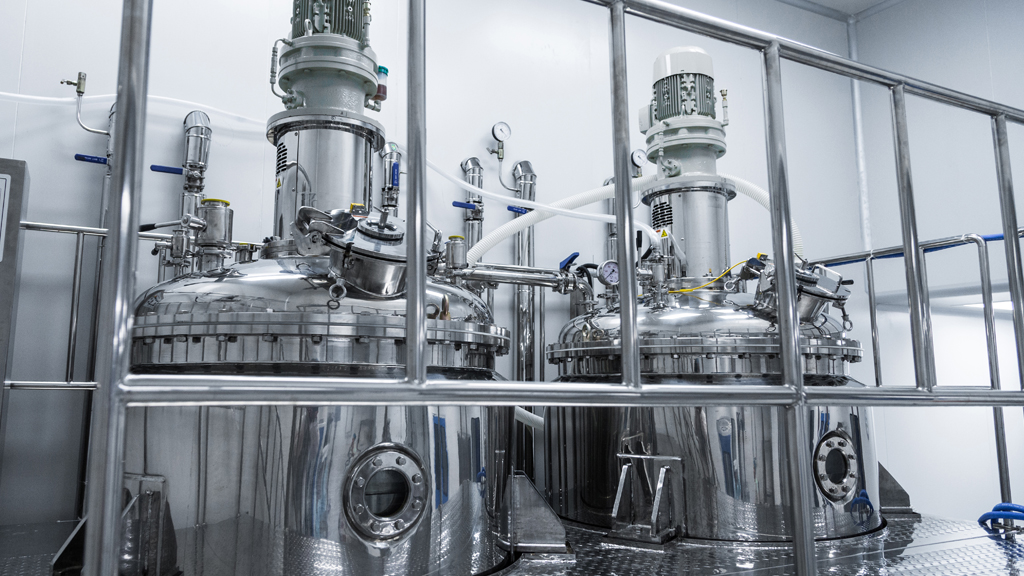
SepGlass-Lined Reactor Cleaning: How to Protect the Lining
Learn how to clean glass-lined reactors while protecting the enamel from caustic attack, thermal shock, and physical damage.
01
SepASTM A380 Explained: A Guide to the 2025 Practice
Understand the 2025 ASTM A380 practice for cleaning, descaling, pickling, and passivating stainless steel.
27
AugDescaling Stainless Steel Equipment: When It Is Needed and What It Involves
Learn when stainless steel needs descaling and why scale removal must come before effective passivation.

26
AugCorrosion Challenges in the Salt Industry: Prevention and Treatment
Learn how stainless grade selection, fabrication contamination, and passivation control corrosion in salt plants.
25
AugRouging in WFI Systems: Prevention, Detection, and Remediation
Learn how to detect, classify, prevent, and remediate rouge in pharmaceutical WFI loops.
20
AugPickling vs Passivation: What's the Difference and When Do You Need Each?
Learn when stainless steel needs pickling to remove weld heat tint and when passivation alone is the correct treatment.
19
AugMedical Device Surface Finishing: ASTM F86 Compliance Explained
Understand ASTM F86 surface preparation, ASTM A967 passivation, and FDA QMSR requirements for metallic surgical implants.

18
AugDairy Equipment Passivation: Hygiene Best Practices
Learn how passivation protects dairy equipment from daily CIP wear, chloride damage, weld corrosion, and hygiene failures.
17
AugPassivation Testing Methods: How to Verify Your Surface Quality
Learn which passivation tests engineers use, what each method detects, and when to run them.
14
AugWFI System Cleaning Protocol: Step-by-Step for Pharma Plants
A practical 10-step WFI cleaning protocol covering sanitization, chemical cleaning, passivation, and verification.
13
AugCommon Passivation Failures and How to Prevent Them
Most passivation failures start before the acid goes on. Here are 8 causes, from heat tint to undefined parameters, and how to prevent each one on your parts.

29
JulSemiconductor Contamination Control: A Surface Guide
How electropolishing, passivation, and cleaning control particles in semiconductor systems

27
JulBrewery Equipment Passivation: A Brewer's Guide
Why passivation protects brewery tanks, hygiene, and beer flavor stability
22
JulAMS 2700 Compliance Guide for Aerospace and Defense
Approved passivation methods, testing, and on-site compliance for aerospace parts
18
JulPassivation System Setup for OEMs: A Step-by-Step Guide
Set up an in-house passivation system in 6 practical steps for consistent, verifiable results
15
JulHow to Choose the Right Passivation Chemical
Match the chemistry to the alloy grade, standard, and application method
13
JulCleaning Validation in Food and Dairy Processing Plants
How to prove food and dairy equipment is consistently clean
10
JulWhat is Electropolishing and When Do You Need It?
Electropolishing smooths stainless steel for high-purity systems
08
Jul5 Signs Your Stainless Steel Equipment Needs Derouging
Five warning signs that it is time to derouge
06
JulSemiconductor Passivation: Standards and Best Practices
SEMI F19 defines semiconductor-grade passivation
03
JulWhy Pharma Is Switching From Nitric to Citric Acid
Pharma is switching for safety, not compromise

03
JulHow to Identify Rouge Contamination on Stainless Steel
Spot rouge by color, wipe, and ferroxyl test
03
JulCIP Cleaning in Pharmaceutical Manufacturing: Best Practices for 2026
CIP cleaning keeps pharma equipment GMP-clean
26
JunASTM A967: The Complete Guide to Passivation Standards
ASTM A967 defines 10 passivation methods
25
JunCitric Acid vs Nitric Acid Passivation: Which is Safer and More Effective?
Citric acid wins on safety
25
JunWhat is Rouging? A Guide for Pharma and Process Engineers
Rouging is iron oxide buildup on stainless steel

28
MarRouging Solutions: Expert Cleaning and Passivation for Pharma & Food Industries
Rouging is a common issue in industries relying on

28
MarHow Rouging Solutions Provides the Best De-Rouging Services for Stainless Steel Systems
Rouging occurs when iron oxide deposits

31
MarThe Importance of Passivation in Stainless Steel: A Guide by Rouging Solutions
Rouging occurs when iron oxide deposits

31
MarPH-Neutral De-Rouging: Safe & Effective Solutions by Rouging Solutions
Many industries require PH-neutral

01
AprRouge & Corrosion Removal: Why Industries Trust Rouging Solutions
Rouging and corrosion can severely
01
AprComprehensive Cleaning, De-Rouging, and Passivation with Rouging Solutions
Keeping stainless steel systems clean,

26
MayWhat is Eudragit Polymer and How to Clean It Effectively?
Eudragit Polymer Cleaner,

26
MayWhy Descaling is Critical for Pharmaceutical Equipment Longevity
Descaling Service,

27
MayCleaning and Passivation in Pharma: Ensuring Compliance and Cleanroom Safety
Descaling Service,
27
May
28
MayDe-Rouging Solutions in the Semiconductor Industry: Protecting Ultra-Pure Environments
The semiconductor industry

28
MayComplete Guide to Derouging Services: When and Why Your Facility Needs It
Rouging on stainless steel

29
MayPassivation After Derouging: Restoring Stainless Steel to Peak Performance
After removing stubborn

29
MayUnderstanding Rouge in Stainless Steel: Causes, Types, and Removal Techniques
Rouge, the reddish-brown

30
MayChoosing the Right Derouging Chemicals: Factors to Consider for Safety and Efficiency
Choosing the appropriate

30
MayIntegrated Cleaning, Derouging, and Passivation: A One-Stop Approach for Industrial Systems
Maintaining stainless steel

05
AugUnderstanding Rouging and Corrosion in SS316L Pipes in Pharma Industries
Stainless steel (SS316L) is the backbone
05
AugPassivation vs. Electropolishing: Which is Better for Stainless Steel Pipe Protection?
Stainless steel pipelines form

06
AugCitrisurf 3050 vs. Nitric Acid: A Modern Take on Pipe Passivation
For decades, nitric acid has
06
AugWhy ASTM and AMS Standards Matter in Stainless Steel Passivation
In industries where hygiene
07
AugThe Science Behind Chromium Oxide Layers: How Passivation Protects SS Pipes
The magic behind stainless steel’s
07
AugMonthly, Quarterly, or Per-Cycle: How Often Should You Clean and Passivate SS Pipelines?
The frequency of Cleaning,
08
AugIn-Line vs. Bath Passivation: Choosing the Right Technique for Your Facility
When planning Cleaning,

08
AugTop 10 Benefits of Using Citrisurf 3050 for Pipe Passivation
Citrisurf 3050 is a game-changer

11
AugCorrosion Testing Methods for Stainless Steel: What You Need to Know
Post-passivation validation

11
AugInspection Services for Stainless Steel Pipelines: Why QIS, HYI, and AIS Matter
Even the most robust passivation